The idea that diet affects mood isn't just a wellness-industry talking point — it's grounded in a real, increasingly well-studied mechanism called the gut-brain axis: a bidirectional communication system linking your digestive system and your central nervous system, running through the vagus nerve and a large population of gut bacteria collectively known as the gut microbiome.
What the gut-brain axis actually does
Your gut has its own nervous system, sometimes called the second brain, and it's in constant two-way communication with the brain itself. Gut bacteria play a real role in that signaling — influencing systems tied to stress response, anxiety, and memory. It's a genuinely active area of research, and while some popular claims (like exact percentages of neurotransmitters “produced” in the gut) oversimplify a more complex picture, the underlying connection between gut health and mental state is well supported.
What shapes the diversity of your gut microbiome
- What you eat, more than any other single factor — a diverse, largely plant-based diet supports a more diverse microbiome, which is generally linked to better physical and mental health outcomes.
- Antibiotic use, which can significantly disrupt gut bacteria, sometimes for extended periods.
- Chronic stress, which affects digestion and nutrient absorption directly.
- Long-term antacid use, which can interfere with the gastric acid your gut needs for healthy digestion.
What actually supports it
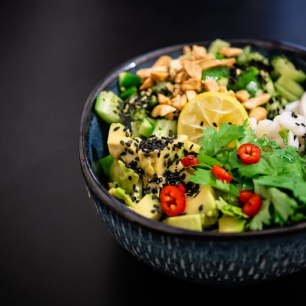
There's no single diet that works for everyone, but the consistent theme across the research is diversity — a wide range of whole foods, largely plant-based, with meaningful fiber and healthy fats. Leafy greens, legumes, nuts, seeds, fermented foods like kefir or kimchi, and reducing highly processed foods, refined sugar, and excess alcohol all support a more diverse, resilient gut microbiome.
Food isn't just calories. It's information your body uses to regulate systems well beyond digestion — mood included. Small, consistent choices about what you eat are one of the more evidence-backed levers available for supporting how you feel, not just how you look.